570.373.3000
 Kulpmont, PA


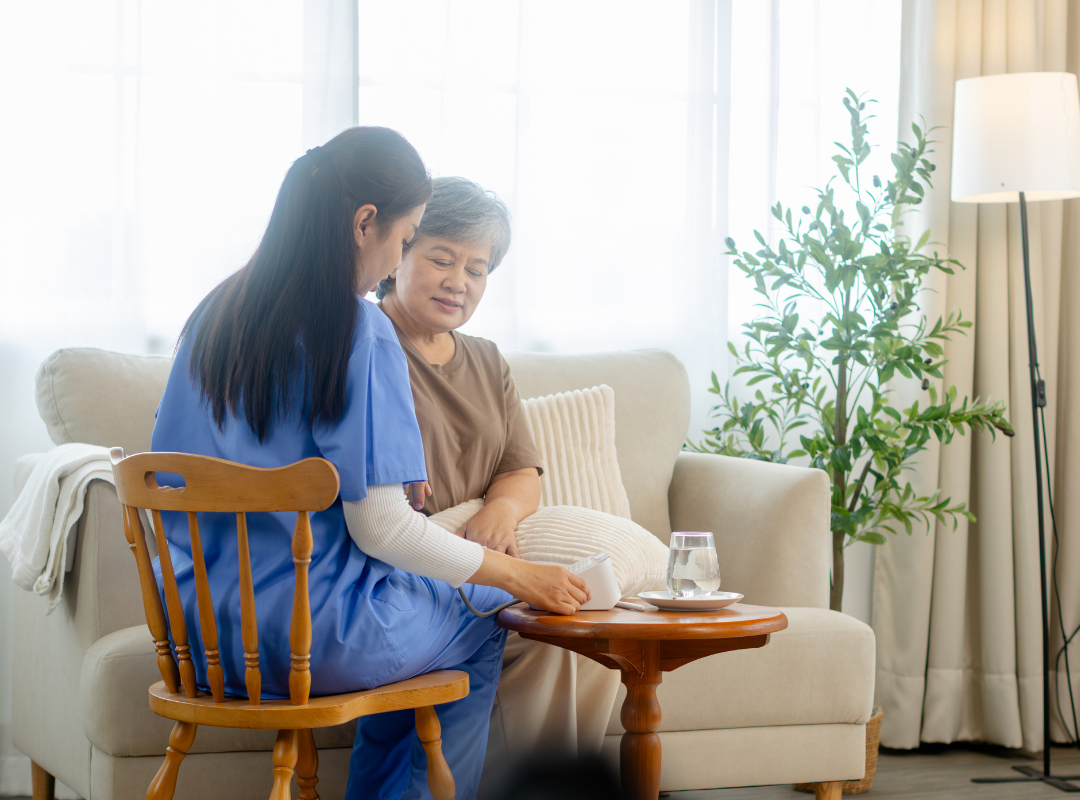
Personal care home regulations in PA explain how licensed personal care homes are expected to support resident safety, daily care, staffing, meals, and overall well-being. These rules give families a useful foundation for comparing care options and asking informed questions before making a decision.
If you are exploring care for a parent or loved one, you do not need to memorize every state requirement. Understanding who regulates personal care homes, what Chapter 2600 covers, and what to look for during a visit can help you make a more informed choice.
Serenity Gardens offers Personal Care and Memory Care in Kulpmont, Pennsylvania. Families can explore the community’s services while learning how state requirements relate to daily support.
Not sure which level of care to explore? Start with the Serenity Gardens Care Assessment to consider your loved one’s support needs.
What Personal Care Home Regulations in PA Mean for Families
Pennsylvania personal care homes provide residential accommodations, meals, supervision, and assistance with personal care and daily living activities for individuals who need support but do not require nursing facility care.
The state’s personal care home services information explains the purpose of these settings and the oversight that applies to them.
For families, personal care home regulations address several important areas:
- Resident safety and emergency preparedness
- Staff training, qualifications, and supervision
- Assistance with personal care and daily routines
- Medication assistance and related procedures
- Meals and nutrition
- Resident rights, privacy, and dignity
- Licensing, inspections, and documentation
These requirements establish standards for licensed homes. However, meeting regulatory requirements does not automatically mean a particular home is the best fit for every resident.
The right decision also depends on the individual’s support needs, preferences, health considerations, and the services available at the community.
Who Regulates Personal Care Homes in Pennsylvania?
The Pennsylvania Department of Human Services (DHS) licenses and oversees personal care homes throughout the state.
DHS conducts inspections and investigates complaints involving licensed personal care homes. Families can use Pennsylvania DHS personal care home guidance to learn about oversight and available resources.
The Role of PA DHS
State oversight helps establish expectations for how licensed personal care homes operate.
Pennsylvania regulations provide for at least one unannounced on-site inspection of each personal care home annually.
When evaluating a community, ask whether it is licensed, how to review available inspection information, and how the home responds to concerns or required corrective actions.
An inspection record is one part of the decision. Families should also consider the nature of any findings, the home’s response, and what they observe during a visit.
Why 55 Pa. Code Chapter 2600 Matters
55 Pa. Code Chapter 2600 establishes Pennsylvania’s regulatory requirements for personal care homes.
The chapter addresses areas such as resident services, staffing, training, medication-related support, nutrition, safety, and resident rights.
Families researching PA DHS 2600 regulations, RCG 2600, or Pennsylvania personal care home regulations are often looking for this framework.
You can review Pennsylvania’s Chapter 2600 personal care home regulations for the official regulatory requirements.
Rather than focusing only on legal language, consider what each requirement means for daily life. For example, staffing rules should prompt questions about how residents receive assistance, how team members are trained, and how the home responds when a resident’s needs change.
What 55 Pa. Code Chapter 2600 Covers in Daily Life
Chapter 2600 addresses important responsibilities that affect residents and their families.
The following table connects common regulatory areas with questions to ask when comparing personal care homes.
| Regulation Area | What It Means for Families | Questions to Ask |
| Licensing and inspections | Homes operate under state licensing and oversight | Is the home licensed, and where can we review inspection information? |
| Staffing and training | Staff must be prepared for their assigned responsibilities | How are team members trained and supervised? |
| Personal care services | Residents may receive help with daily activities | Which personal care tasks can staff assist with? |
| Medication assistance | Medication support must follow applicable procedures | How is medication assistance managed? |
| Meals and nutrition | Food services and resident needs are important parts of daily care | How are meals planned and dietary needs addressed? |
| Emergency preparedness | Homes must address safety and emergency planning | What happens if a resident needs help during an emergency? |
| Resident rights | Dignity, privacy, and the ability to raise concerns matter | How are resident rights explained and protected? |
| Agreements and records | Written information clarifies services and responsibilities | What documents should families review before move-in? |
Staffing, Training, and Daily Assistance
Staffing is an important topic because residents may need different types and amounts of assistance.
Ask how a personal care home assesses support needs, trains team members, and coordinates assistance during the day and overnight.
You should also understand how the community responds when a resident begins needing additional help.
A staffing number alone may not explain how assistance is provided. The more useful question is whether the home can meet your loved one’s particular needs.
Resident Rights, Dignity, and Privacy
Personal care often involves private activities such as bathing, dressing, and receiving help with other daily routines.
Families should ask how the home respects resident preferences, protects privacy, explains rights, and handles complaints.
A good discussion may include how residents communicate their preferences, how staff encourage appropriate independence, and whom a family member should contact with concerns.
Safety and Emergency Preparedness
Emergency planning is especially important for residents who may need assistance moving, following instructions, or responding to unexpected situations.
Ask how the home prepares for emergencies, supports residents who need extra assistance, and communicates with families.
Philadelphia’s Office of Emergency Management also provides a Personal Care Home Guidebook that offers additional context about emergency planning in these settings.
During a visit, consider the physical environment, accessibility, and how emergency procedures would apply to your loved one’s mobility and support needs.
Personal Care Homes vs. Assisted Living in Pennsylvania
Personal care homes and assisted living residences are separate licensing categories in Pennsylvania.
Personal care homes operate under 55 Pa. Code Chapter 2600, while assisted living residences operate under 55 Pa. Code Chapter 2800.
Although both may offer residential support, families should not assume that every community provides identical services or operates under the same requirements.
Confirm the licensing category of each location you are considering, then compare the actual support available.
What Personal Care May Include
Personal care provides assistance with daily routines in a residential setting.
At Serenity Gardens, the community’s Personal Care services include personal care assistance, medication assistance, meals, housekeeping, and laundry services.
Families should discuss which services are appropriate for their loved one’s needs and how to arrange assistance.
When Memory Care May Also Matter
Some families are also considering changes in memory, orientation, or the ability to manage everyday activities.
Serenity Gardens offers Memory Care as a separate care option. Families can explore the community’s Memory Care services and ask how the available support differs from Personal Care.
For a broader explanation of care options, A Family Guide to Pennsylvania Personal Care Options provides additional context about daily assistance and choosing a community.
Questions to Ask During a Personal Care Home Visit
A visit helps connect regulatory requirements with the actual environment, services, and daily routines of a personal care home.
Before visiting, consider what your loved one needs help with now and what changes may be important to plan for.
Use these questions to guide your conversation:
- Personal care: How do you assess a resident’s needs, and how often are they reviewed?
- Medication assistance: What medication-related support is available, and who provides it?
- Staffing: How are team members trained to assist residents with different needs?
- Family communication: How are families informed about important changes or concerns?
- Dining: How are meals served, and how are dietary needs discussed?
- Activities: What opportunities are available for social interaction and recreation?
- Transportation: What transportation arrangements are available, and are there limitations?
- Safety: How are emergencies handled, especially for residents who need mobility or memory-related assistance?
- Written services: What is included in the resident agreement, and what services may involve additional charges?
Ask for explanations specific to your loved one’s situation rather than relying solely on general descriptions.
For example, if someone needs help getting dressed each morning, ask how that assistance would be arranged. If memory changes are a concern, ask what support is available and whether a different care setting may be more appropriate.

What Families Should Review Before Choosing a PA Personal Care Home
State requirements provide an important foundation, but the final decision should also consider how well the home fits the person who may live there.
Use this checklist before moving forward.
Confirm Licensing and Inspection Information
Verify that the location is licensed and understand where to review available inspection information.
If you have questions about a finding, ask for clarification and consult the appropriate state resource.
Compare Services With Actual Care Needs
List the activities your loved one needs help with, such as bathing, dressing, mobility, medication routines, or supervision.
Ask the community which needs it can support and what happens if those needs change.
Review Resident Rights and Family Communication
Understand how the home explains resident rights, respects privacy, and addresses concerns.
Clarify who communicates with families and how authorized representatives receive information.
Understand the Written Agreement
Review the resident agreement and service information before signing.
Ask about included services, additional charges, payment responsibilities, notice requirements, and how changes in care needs may affect arrangements.
Consider Daily Comfort and Lifestyle
Observe the living spaces, dining areas, accessibility, and opportunities for activities.
Think about whether the setting fits your loved one’s routines, interests, and preferences.
The goal is to understand both what a personal care home is required to provide and how its services fit the individual resident.
PA DHS Forms and Official Resources Families May See
Families researching personal care home regulations in PA may encounter references to DHS forms, licensing documents, and Chapter 2600 records.
Many of these materials are intended for personal care home operators rather than families choosing care.
For prospective residents, the most important documents usually concern care needs, resident rights, service arrangements, and information provided before admission.
Ask the community to explain the documents relevant to your loved one’s move and what they mean.
Families do not need to study every provider form to make an informed decision. However, they should understand the information they are asked to review or sign.
Questions about how to open a personal care home in Pennsylvania involve a different licensing and operational process from choosing an existing home for a family member.
How Serenity Gardens Supports Personal Care in Kulpmont
Serenity Gardens provides Personal Care and Memory Care in Kulpmont, Pennsylvania.
The community is located at 135 Vermont Dr, Kulpmont, PA 17834, according to its published contact information.
Families considering Serenity Gardens can discuss daily assistance, available services, and how the community’s environment may align with their loved one’s preferences.
Daily Support With a Residential Feel
Serenity Gardens describes services such as personal care assistance, medication assistance, chef-prepared meals, housekeeping, and laundry.
These services may be relevant for individuals who want to maintain independence while receiving help with everyday responsibilities.
Families should ask how specific services are provided and whether they meet their loved one’s needs.
Social, Spiritual, and Local Engagement
Daily life at Serenity Gardens includes opportunities for activities and social interaction.
The community offers art classes, fitness classes, game nights, movie screenings, religious services, and local outings.
Families can explore the community’s amenities and activities to learn more about the residential environment.
During a visit, ask which activities are currently available and how residents participate.
A More Confident Next Step for Personal Care in Kulpmont
Understanding personal care home regulations in PA can help families compare care options more clearly. You can review licensing information, ask informed questions about staffing and safety, and consider how the community’s services relate to your loved one’s daily life.
If you are still exploring the appropriate level of support, the Serenity Gardens Care Assessment can help you begin that conversation.
When you are ready to explore the community, schedule a tour of Serenity Gardens to see the setting and discuss Personal Care or Memory Care options.
You can also contact the Serenity Gardens team or call 570-373-3000 with questions before your visit.
Frequently Asked Questions
How Can I Check Whether a Personal Care Home Is Licensed in Pennsylvania?
Ask the community for its licensing information and consult Pennsylvania DHS resources. You can also review available inspection information and contact the appropriate state office if you need clarification.
Does Chapter 2600 Apply to Assisted Living Residences?
No. Chapter 2600 regulates personal care homes in Pennsylvania. Assisted living residences are governed by a separate framework under Chapter 2800. Confirm the license category of the specific residence you are considering.
What Happens if a Resident Needs More Care?
Ask how the home reassesses care needs, which additional services it can provide, and when another setting may be necessary. A healthcare professional can help clarify needs involving medical or clinical care.
What Should Families Review Before Signing a Resident Agreement?
Review the written description of services, charges, responsibilities, notice requirements, and arrangements for changes in care needs. Ask for clarification on anything unclear before making a commitment.
I can’t say enough about Serenity, their caring staff and residents! For three years my father called Serenity “home” and has made many lifelong friends! It was during the last few months that I realized just how much the administrators and caregivers go out of their way for their patients! Thank God for Serenity Gardens!!
Dianne Wrobel