570.373.3000
 Kulpmont, PA


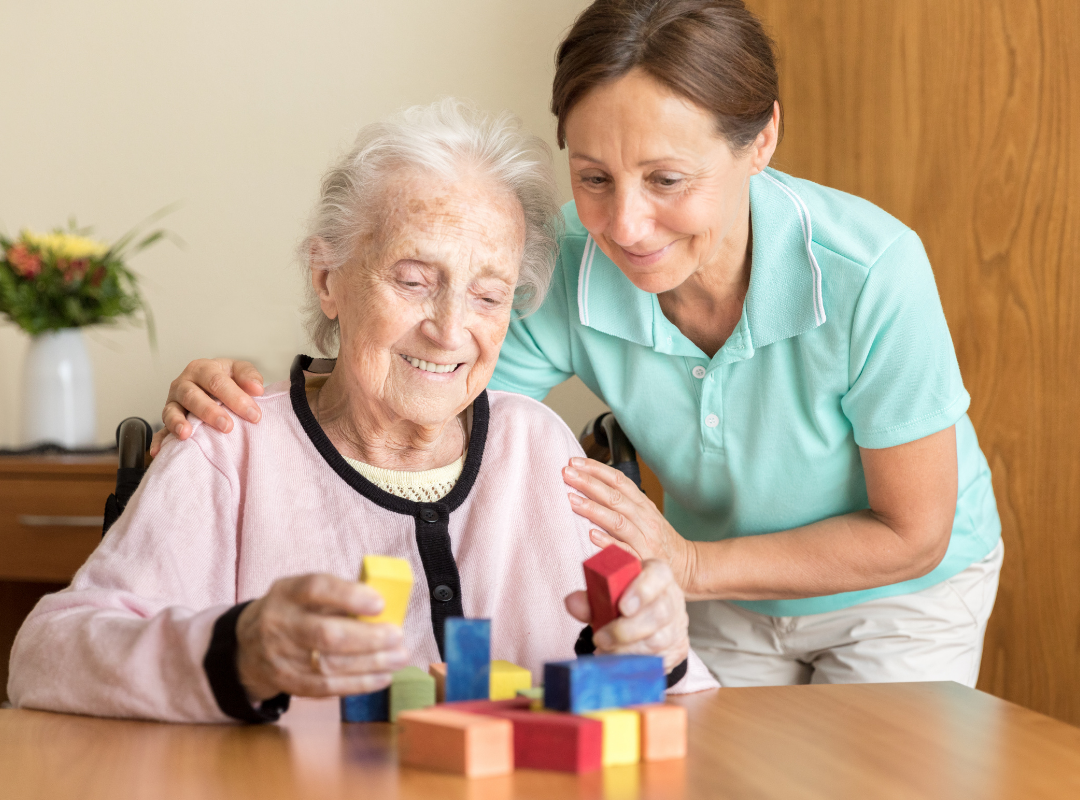
Activities for dementia patients in care homes work best when they are familiar, flexible, and suited to each person’s interests, abilities, mood, and energy. Gentle sensory experiences, creative projects, movement, and social routines can support calm and connection when residents are invited to participate without pressure.
Families often want to know which activities are suitable, how care teams adapt them, and what to look for when comparing memory care options. These questions matter to many households. According to the 2026 Alzheimer’s Disease Facts and Figures report, 7.4 million Americans age 65 and older are living with Alzheimer’s dementia. At Serenity Gardens in Kulpmont, daily life includes several settings and activities that can support meaningful engagement.
What Are Appropriate Activities for Dementia Patients in Care Homes?
Appropriate activities for dementia patients in care homes are familiar, flexible experiences matched to each resident’s interests, abilities, mood, and energy level. They may support calm, movement, creativity, sensory engagement, social connection, or participation in a meaningful daily routine.
The value comes from the experience, not from finishing a task correctly. A resident may enjoy listening to music without singing, watching an art class before joining, or sitting with others during a movie without following the full story. The person’s response helps show whether the activity, setting, timing, and level of support are a good fit.
The National Institute on Aging recommends adapting activities to a person’s interests and abilities. Simple instructions, realistic expectations, and flexibility can make participation feel more manageable. Families who want to learn how these ideas connect with daily engagement can also explore creative memory care activities for daily enjoyment.
Four Types of Memory Care Activities and What Each One Supports
Memory care activities generally fall into four useful groups: sensory, creative, movement-based, and social or familiar-purpose activities. These groups often overlap, so one experience may support several needs at once.
Sensory Activities
Sensory activities use sound, sight, touch, smell, or taste to create an accessible experience. Familiar music, photographs, safe textures, or seasonal objects may work well when lengthy instructions or conversation feel difficult.
Creative and Expressive Activities
Creative activities give residents a way to participate and express themselves without needing to produce a perfect result. Art classes can provide choices involving color, shape, texture, and simple hands-on steps.
Physical and Movement-Based Activities
Movement-based options may include fitness classes or supported outings. The pace, length, and level of assistance should reflect the person’s mobility, energy, and comfort that day.
Social and Familiar-Purpose Activities
Game nights, dining, religious services, movie screenings, and time in shared spaces can provide routine and connection. Some residents may enjoy active participation, while others may feel comfortable simply being present.
| Activity Type | Main Purpose | Example Setting | Helpful Adaptation |
| Sensory | Calm and sensory engagement | Quiet activity space | Reduce noise and offer one item at a time |
| Creative | Expression and participation | Art class or activity room | Prepare materials and simplify the steps |
| Movement-based | Gentle physical engagement | Fitness class or supported outing | Adjust the pace, length, and support |
| Social or familiar-purpose | Connection and routine | Dining, game night, movie screening, or religious service | Use a smaller group or allow observation |
An art class, for example, may be creative, sensory, and social at the same time. The category matters less than whether the resident seems comfortable and interested. You can learn more about the activities and shared spaces available at Serenity Gardens.
Calming Activities for Different Moments of the Day
Calming activities are most useful when they match the person’s energy and the natural rhythm of the day. An activity that feels engaging in the morning may feel tiring or overstimulating later.
Gentle Ways to Begin the Morning
A familiar song, photographs, simple conversation, or gentle movement may help begin the day without creating too many demands. Morning choices should reflect whether the resident appears alert, quiet, social, or in need of extra time.
Engaging Activities for the Middle of the Day
Art classes, fitness classes, dining, games, and time in activity rooms can provide more structure during the day. Outings to Kulpmont attractions, including museums and restaurants, may also offer changes in scenery and opportunities for social engagement.
Lower-Stimulation Options Later in the Day
Movie screenings, familiar music, quiet art activities, religious services, or one-on-one conversation may suit residents who prefer less stimulation later in the day. A shorter activity in a quieter setting may be more comfortable than a busy group experience.
Families can think about each option by its general intensity:
- Low stimulation: Quiet conversation, photographs, familiar music
- Moderate stimulation: Art activities, movies, religious services
- More active or social: Fitness classes, games, dining, outings
These labels are only a starting point. A familiar movie may feel relaxing to one person and distracting to another, so the resident’s response should always guide the next step.
How Care Teams Adapt Dementia Activities to the Individual
Effective dementia activities programming adapts the person, purpose, place, pace, and response. This five-part framework helps families understand why the same activity may be offered differently from one resident to another.
Person + Purpose + Place + Pace + Response
- Person: What has the resident enjoyed in the past, and what feels comfortable now?
- Purpose: Is the goal calm, movement, expression, routine, or connection?
- Place: Would a quiet area, activity room, dining space, or outing setting work best?
- Pace: How long, complex, active, or social should the experience be?
- Response: Does the resident appear interested, settled, tired, distracted, or ready to stop?
Adaptation may involve offering one or two choices, demonstrating a step, preparing materials, shortening the activity, or allowing someone to watch before taking part. A resident who declines in the morning may respond differently later. Changing the approach protects dignity and keeps the activity from feeling like a test.
Signs an Activity Is Creating Calm or Becoming Overwhelming
A suitable activity often leads to voluntary attention or participation. The resident may watch, listen, touch an item, speak, smile, or remain comfortably present without repeated encouragement.
Positive signs can include a more settled expression, relaxed body language, interest in familiar objects, or a willingness to continue. The activity may need to change when the resident repeatedly turns away, appears tense, becomes tired, or seems distracted by noise, instructions, or the group size.
Stopping is not a failure. You can shorten the activity, reduce the number of steps, move to a quieter space, or offer something different. The National Institute on Aging’s guidance on behavior and communication also encourages patience, reassurance, and avoiding arguments when changes in behavior occur.
Activities at Home vs. Dementia Activities Programming in a Care Home
Activities for dementia patients at home can provide familiarity and valuable time with family. Care-home programming may offer a more established schedule, shared spaces, staff support, and access to several types of individual and group activities.
| Decision Factor | Activities at Home | Activities in a Care Home |
| Familiarity | Takes place in existing surroundings | Familiarity can develop through regular spaces and routines |
| Planning | Usually organized by family or in-home caregivers | May be included in an established community schedule |
| Social opportunities | Depend on visitors and available support | May include classes, games, dining, screenings, services, and outings |
| Adaptation | Depends on caregiver time, knowledge, and observation | May involve different settings and levels of staff support |
| Consistency | Can change with family availability | May be supported through recurring programming |
| Family role | The family often plans and leads the activity | Family can visit, participate, and evaluate the experience |
Neither setting is automatically right for every person. The more useful question is whether the current arrangement can provide the supervision, personal care, daily consistency, medication support, engagement, and family support the person needs.
Families may encounter different models for describing cognitive changes. The Global Deterioration Scale outlines seven stages, while the Alzheimer’s Association uses early, middle, and late stages. These frameworks are general guides, and each person may experience changes differently. Families who are unsure about the current level of support can use the Serenity Gardens Care Assessment to organize their concerns and consider possible next steps.
What Families Should Look for in Dementia Activities Programming
Good programming should show how activities are chosen and adapted, not just how many appear on a calendar. During a conversation or visit, ask how the community learns about each resident’s routines, interests, abilities, and preferred level of social interaction.
Useful questions include how staff respond when a resident declines, how they balance quieter and more active options, and whether activities can be adjusted for different abilities. You can also ask which activities occur regularly and how families can share information about hobbies or familiar routines.
During a visit, notice whether:
- Residents are invited without being pressured
- Instructions appear clear and manageable
- Staff respond to individual reactions
- People can participate at different levels
- Quieter alternatives are available
These details can tell you more than a long activity list. Schedule a visit to Serenity Gardens to see the community environment, activity spaces, and daily setting in person.

Activities and Daily Life at Serenity Gardens in Kulpmont
The best activity plan is not the longest one. It is the one that fits the resident’s preferences, abilities, energy, and response. Serenity Gardens provides Memory Care and Personal Care in Kulpmont, with art classes, activity rooms, social spaces, fitness classes, game nights, movie screenings, religious services, dining, and outings to local museums and restaurants.
Seeing the setting firsthand can make your next decision clearer. You can complete the Lifestyle Assessment to consider personal routines and preferences, explore floor plans and pricing, or contact Serenity Gardens with specific questions. To speak with someone directly, call 570-373-3000.
Frequently Asked Questions
What are the four types of activities for dementia patients?
The four broad types are sensory, creative and expressive, physical or movement-based, and social or familiar-purpose activities. Sensory options may use music, photographs, or safe textures, while creative activities may involve art. Movement and social activities can support participation, routine, and connection. Many activities fit more than one category and should be adapted to the person.
What are the seven stages of dementia?
There is no single universal seven-stage system for every form of dementia. The Global Deterioration Scale lists no cognitive decline, very mild decline, mild decline, moderate decline, moderately severe decline, severe decline, and very severe decline. Other frameworks, including the one used by the Alzheimer’s Association, describe early, middle, and late stages. These stages are general guides and do not predict exactly how one person will experience cognitive changes.
When should someone with dementia go into a care home?
A care home may become appropriate when a person needs more supervision, personal care, medication assistance, or daily support than can be provided safely and consistently at home. Families may also notice changes in everyday functioning or find that caregiving demands have become difficult to manage. There is no single point that applies to everyone. A healthcare professional and qualified care provider can help assess changing needs and available options.
What activities are good for dementia patients in care homes?
Good options include art classes, suitable fitness activities, games, familiar movies, religious services, social dining, supported outings, and quiet individual activities. The best activity depends on the resident’s interests, abilities, mood, energy, and willingness to participate. Clear steps and a suitable environment can make an activity easier to enjoy. The resident’s response should guide whether the activity continues, changes, or ends.
Can families use these activities for dementia patients at home?
Yes, many sensory, creative, movement-based, and familiar activities can be adapted for home. Start with something the person has enjoyed before and keep the steps simple. Watch for signs of interest, tiredness, frustration, or overstimulation. End or adjust the activity when it no longer feels comfortable.
I can’t say enough about Serenity, their caring staff and residents! For three years my father called Serenity “home” and has made many lifelong friends! It was during the last few months that I realized just how much the administrators and caregivers go out of their way for their patients! Thank God for Serenity Gardens!!
Dianne Wrobel