570.373.3000
 Kulpmont, PA


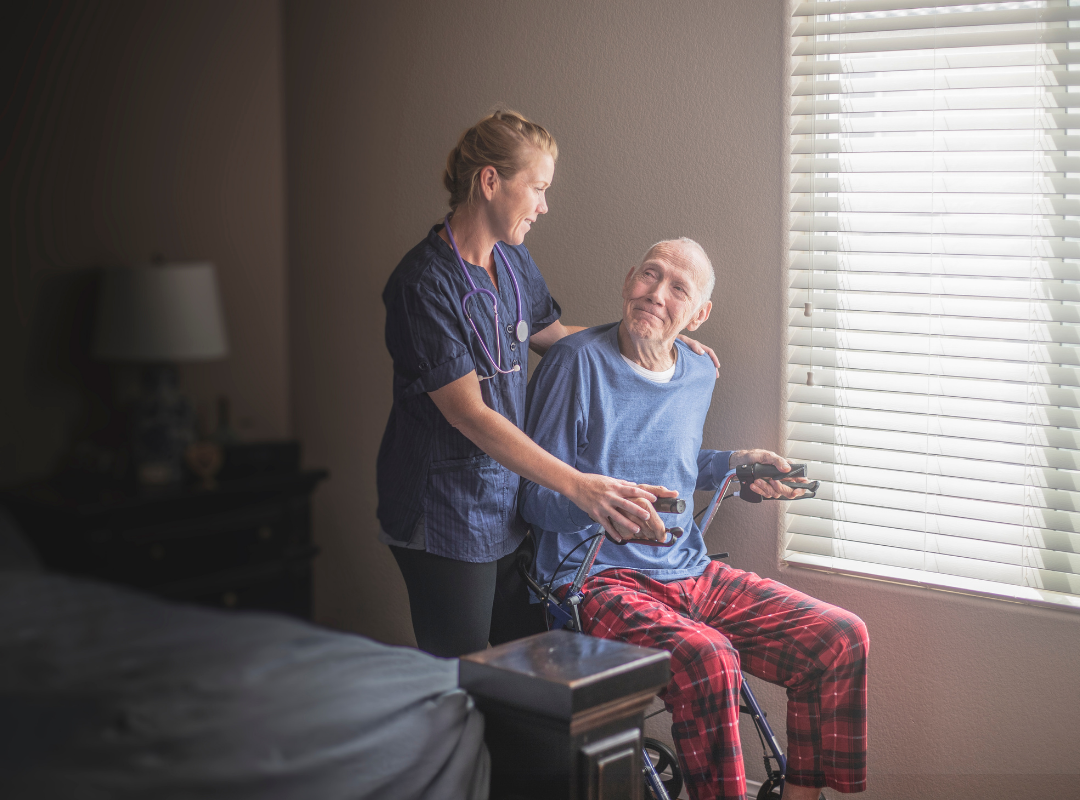
Dementia patients in care homes can have a better quality of life when daily care supports safety, dignity, routine, social connection, and meaningful engagement. The right setting can help reduce stress for families while giving residents steady support as memory, communication, and daily needs change.
At Serenity Gardens in Kulpmont, PA, families can explore Memory Care and Personal Care in a setting that supports daily living with respect and reassurance. You will find what quality of life can look like, how to compare care options, and when a more supportive environment may be the next right step.
What Life Quality Means for Dementia Patients in Care Homes
Quality of life for dementia patients in care homes means more than just completing daily tasks. It means receiving consistent support while preserving dignity, comfort, routine, connection, and a sense of personal value.
Dementia can affect memory, thinking, behavior, communication, and the ability to manage daily activities. The World Health Organization reports that 57 million people had dementia worldwide in 2021, which shows how many families face these care decisions each year through dementia information from the World Health Organization.
Do Dementia Patients Do Better at Home or in a Nursing Home?
Dementia patients may do better at home or in a care setting depending on safety needs, daily routines, supervision, caregiver capacity, and emotional comfort. There is no single right answer for every family.
If you are caring for a parent with dementia at home, familiar surroundings may feel reassuring at first. As needs grow, home-based support, Personal Care, or Memory Care may become part of the conversation. Families can use a care assessment to think through their support needs more clearly.
Daily Support That Helps Preserve Dignity and Routine
Daily support helps dementia patients feel more secure as tasks become harder to manage on their own. Predictable meals, personal care, housekeeping, laundry services, and medication assistance can ease pressure on both the resident and family.
Support With Everyday Needs
Personal Care can support daily routines while helping residents keep as much independence as possible. At Serenity Gardens, relevant supports may include dining, housekeeping, laundry, medication assistance, and on-site transportation.
A Familiar Rhythm to the Day
A steady daily rhythm can make life feel less confusing. Activity rooms and social spaces, art classes, game nights, movie screenings, religious services, and fitness classes can give residents familiar ways to stay engaged.
The Alzheimer’s Association suggests taking cues from what the person likes, can do, and feels ready for when choosing activities, which supports a more personal rhythm through activities to enjoy with someone who has dementia. Families can also explore meaningful moments in memory care for seniors to see how daily engagement may support connection.
When Refusing Care or Wanting to Go Home Becomes a Signal
A dementia patient refusing to go into a care home may be expressing fear, confusion, loss of control, or worry about change. Wanting to go home can also happen when a person feels unsafe, tired, overstimulated, or unsure of where they are.
What Not to Say During Distress
Avoid arguing, correcting, shaming, or rushing someone upset. Many “20 things not to say to someone with dementia” lists come down to one idea: do not try to win the argument over facts when the person needs reassurance.
What to Try Instead
Start with calm validation. A gentle voice, simple choices, familiar objects, and a quiet redirection may help calm a dementia patient who wants to go home, especially when the response honors the feeling behind the words.

Comparing Quality-of-Life Supports in Dementia Care
A clear comparison can help families look beyond labels and focus on what daily life may actually feel like. This is especially useful when deciding whether home care, live-in care, Personal Care, or Memory Care is the better fit.
| Quality-of-Life Area | Why It Matters for Dementia Care | Serenity Gardens Connection |
| Daily routine | Helps reduce confusion and uncertainty | Personal Care, dining, housekeeping |
| Social connection | Supports engagement and emotional well-being | Activity rooms, game nights, religious services |
| Meaningful activities | Encourages participation based on ability and interest | Art classes, movie screenings, and local outings |
| Health-related support | Helps families feel more confident about daily needs | Medication assistance, on-site rehabilitation services |
| Family confidence | Helps families understand when more support may be needed | Memory Care and Personal Care |
The Alzheimer’s Society explains that care homes may support people with dementia through daily care, meals, medication support, social benefits, visits, and meaningful activities, which can help families think through care home considerations for dementia.
How Serenity Gardens Supports Memory Care in Kulpmont, PA
Serenity Gardens supports families in Kulpmont, PA, with Memory Care and Personal Care at 135 Vermont Dr., Kulpmont, PA 17834. These services may help when a loved one needs more structure, steadier support, and a daily environment shaped around changing needs.
Families can explore daily life through relevant amenities such as activity rooms and social spaces, dining, housekeeping services, laundry services, medication assistance, and on-site transportation. Local outings to Kulpmont attractions, including museums and restaurants, may also support connection and engagement.
A More Reassuring Next Step for Your Family
Choosing care for a loved one with dementia is not only about support needs. It is about helping that person feel respected, safe, connected, and understood while giving your family more confidence about what comes next.
If you are weighing Memory Care or Personal Care, Serenity Gardens can help you talk through your loved one’s needs in a calm, personal way. You can schedule a tour, visit the Contact Us page, or call us at 570-373-3000 to ask questions and see the setting in person.
Frequently Asked Questions
How to manage dementia patients at home?
Managing dementia patients at home starts with routine, calm communication, and a safe environment. Keep daily tasks simple, offer choices one at a time, and reduce distractions when your loved one feels overwhelmed. Family caregivers may also need support with meals, hygiene, medication reminders, and supervision. If home care becomes difficult to sustain, it may be time to compare Memory Care, Personal Care, or live-in care options.
When do dementia patients not want to get out of bed?
Dementia patients may not want to get out of bed because they feel tired, confused, anxious, uncomfortable, or unsure about the day ahead. A change in sleep, mood, appetite, pain, or routine can also affect motivation. Watch for patterns, especially if the change happens suddenly or continues for several days. A qualified healthcare professional can help families understand whether another concern may be involved.
How long does dementia take to progress?
Dementia progresses differently for each person. The timeline can depend on the type of dementia, overall health, age, daily support, and other care needs. Some symptoms may change slowly, while others become more noticeable over time. As dementia progresses, families often reassess safety, supervision, personal care, and quality of life.
How long can a person with dementia be left alone?
A person with dementia should only be left alone if they can remain safe, respond to emergencies, manage basic needs, and avoid risks such as wandering, falls, missed medication, or unsafe cooking. The safe amount of time can change as symptoms progress. Families should reassess often because yesterday’s routine may not fit tomorrow’s needs. If safety feels uncertain, additional supervision or a care setting may be necessary.
I can’t say enough about Serenity, their caring staff and residents! For three years my father called Serenity “home” and has made many lifelong friends! It was during the last few months that I realized just how much the administrators and caregivers go out of their way for their patients! Thank God for Serenity Gardens!!
Dianne Wrobel