570.373.3000
 Kulpmont, PA


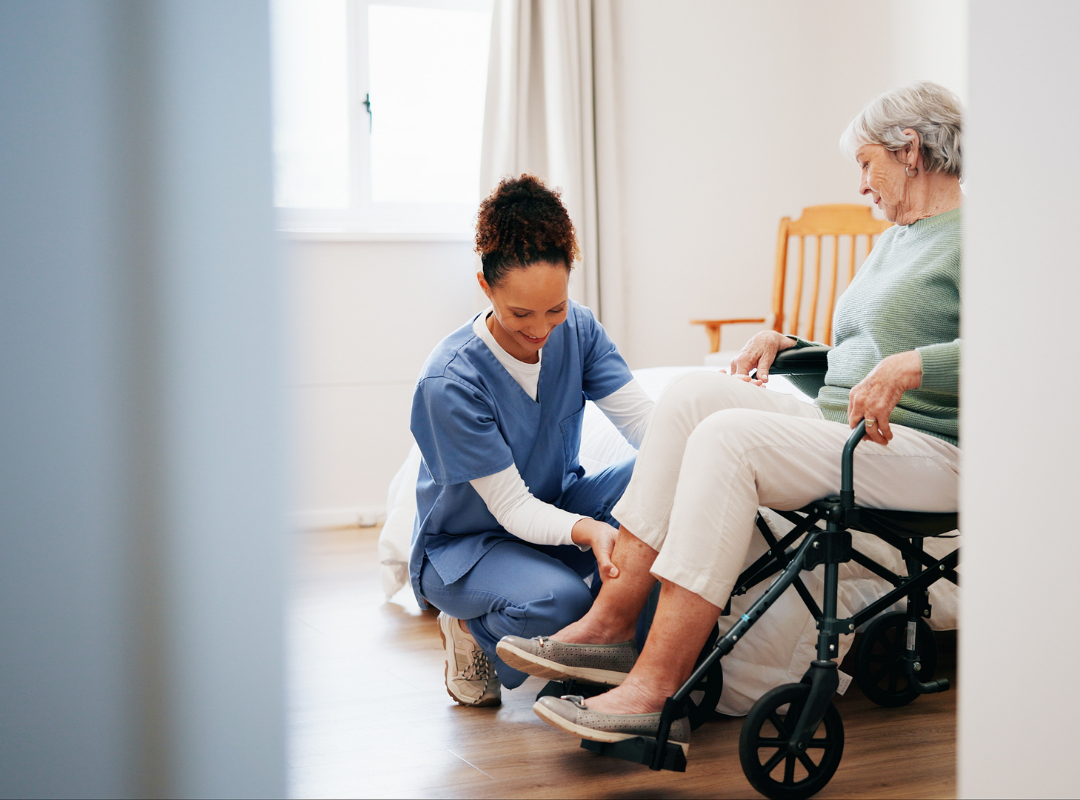
Personal care vs assisted living compares two senior living options that may support older adults with daily routines, safety, medication help, and social connection. The right choice depends on your loved one’s daily needs, memory concerns, lifestyle preferences, and the type of support that helps them feel steady and cared for.
For families in Kulpmont, PA, Serenity Gardens offers Personal Care and Memory Care in a setting designed for support, engagement, and peace of mind. You’ll learn how to compare care needs, ask better questions, and feel more confident about the next step.
Personal Care vs Assisted Living: The Simple Difference
Personal care vs assisted living Pennsylvania searches often come down to daily support, care needs, and how each option is defined locally. The Pennsylvania personal care home services resource explains that personal care homes provide housing, meals, supervision, and assistance with personal care and activities of daily living.
A personal care home may support residents with routines such as medication assistance, meals, housekeeping, laundry, transportation, and social engagement. If you are still asking, “What is a personal care home?”, this related resource on Pennsylvania personal care options offers helpful local context.
What Personal Care Can Include for Daily Support
Personal care can include practical support that helps each day feel more manageable. At Serenity Gardens in Kulpmont, PA, Personal Care and Memory Care services are available for residents who may need a more supportive daily setting.
Helpful support may include medication assistance, dining, laundry services, housekeeping services, on-site transportation, and access to wifi and cable TV. These services can ease the pressure on families while helping residents stay connected to familiar routines.
When Assisted Living May Come Up in the Conversation
Assisted living may come up when you are searching for a supportive senior living option for a parent or loved one. Many families use the phrase broadly when seeking help with meals, daily routines, medication reminders, activities, and a safer living environment.
The name of the care option matters less than the support your loved one receives each day. If memory changes, daily assistance, or household tasks are becoming harder to manage, those details matter more than the label. This is also why families often compare assisted living vs nursing home care when needs become more complex.
A Side-by-Side Comparison for Families
A clear comparison can help you move from uncertainty to better questions. Use the table below as a simple starting point when comparing personal care vs assisted living needs.
| Need or Question | Personal Care | Assisted Living Search Consideration |
| Daily routine support | May help with daily structure, meals, and personal support needs | Often searched by families seeking help with daily living |
| Medication help | Serenity Gardens provides medication assistance | Ask how medication support is handled and what is included |
| Social engagement | Activities may include art classes, game nights, movie screenings, and religious services | Ask how residents stay active, involved, and connected |
| Memory needs | Serenity Gardens offers Memory Care | Ask whether memory support is available if needs change |
| Household support | Dining, laundry, housekeeping, and transportation may support daily ease | Ask which services are included in the living experience |
| Local fit | Serenity Gardens is located in Kulpmont, PA | Visit in person to see whether the setting feels right |
Your loved one’s daily needs should guide the next step, especially if meals, medication, housekeeping, transportation, or memory support are becoming harder to manage.

Signs Your Loved One May Need More Daily Support
A loved one may need more daily support when familiar routines become harder to manage. You may notice missed medications, skipped meals, growing isolation, or more difficulty keeping up with laundry, housekeeping, or transportation.
These changes do not always happen all at once. The World Health Organization reports that 57 million people had dementia worldwide in 2021, which shows how common memory-related care conversations can become for families. If you are noticing changes in memory, safety, or daily routines, a care assessment can help you think through the next step with more clarity.
Questions to Ask Before Choosing a Personal Care Home
The right questions can make a visit more useful and less overwhelming. If your search began with terms like Personal Care Home near me, Personal Care Home license, personal care home requirements, or how to start a personal care home, focus on what matters most for your loved one: services, safety, support, and daily life.
Ask questions such as:
- What services are included in personal care?
- How is medication assistance provided?
- What happens if care needs change?
- Is memory care available if needed?
- What should families know about the community’s license and care scope?
The Pennsylvania Department of Aging can also be a useful starting point for families looking for state-level aging resources. Still, a personal visit gives you the clearest sense of how a community feels and how the team answers your family’s specific questions.
Finding the Right Fit at Serenity Gardens in Kulpmont, PA
Choosing between personal care vs assisted living needs is really about understanding what will help your loved one feel supported, engaged, and more at ease. At Serenity Gardens, Personal Care and Memory Care are paired with meaningful daily experiences, including activity rooms and social spaces, fitness classes, dining, movie screenings, religious services, and outings to local Kulpmont attractions.
Seeing the community in person can make the decision feel clearer. You can schedule a tour, use Contact Us, or call us at 570-373-3000 to discuss your questions and explore whether Personal Care or Memory Care is the right fit.
Frequently Asked Questions
What is one of the biggest drawbacks of assisted living?
One of the biggest concerns with assisted living is whether the setting fully matches a loved one’s needs. Some families worry that current support may be enough now, but may not fit if care needs change. This is why it helps to ask detailed questions about services, daily support, and future care planning. The best choice should feel aligned with your loved one’s routines, safety needs, and family expectations.
What is the meaning of personal care?
Personal care means support with daily needs that may be harder to manage on one’s own. This can include help with routines, medication assistance, meals, housekeeping, laundry, transportation, and social engagement. The goal is to help residents maintain a steady and supported daily life. Families should always ask the community what personal care includes and how support is provided.
What are the four types of care?
The four types of care can vary by provider and location. Families often compare personal care, memory care, assisted living, and nursing home care when deciding what level of support may be appropriate. Personal care may support daily routines, while memory care focuses on residents with memory-related needs. Nursing home care is often considered when more advanced clinical support is needed.
What’s assisted with personal care?
Personal care may assist with daily routines and supportive services that help life feel more manageable. At Serenity Gardens, relevant support and amenities include medication assistance, dining, laundry services, housekeeping services, transportation, activities, and social spaces. These services can reduce daily stress for residents and families. The exact support should be discussed directly with the community before making a decision.
I can’t say enough about Serenity, their caring staff and residents! For three years my father called Serenity “home” and has made many lifelong friends! It was during the last few months that I realized just how much the administrators and caregivers go out of their way for their patients! Thank God for Serenity Gardens!!
Dianne Wrobel