570.373.3000
 Kulpmont, PA



What is personal care? Personal care is respectful assistance with everyday activities that an older adult may find difficult to complete safely or comfortably alone. It may include help with bathing, dressing, grooming, toileting, mobility, medication routines, and other daily needs while supporting dignity, comfort, and as much independence as possible.
The amount of help each person needs can be different. One person may need occasional support with dressing or medication, while another may need regular assistance throughout the day. Understanding what personal care includes can help you recognize changing needs, ask better questions, and compare care options with greater confidence.
At Serenity Gardens in Kulpmont, Personal Care is available for older adults who may benefit from daily support within a community setting.
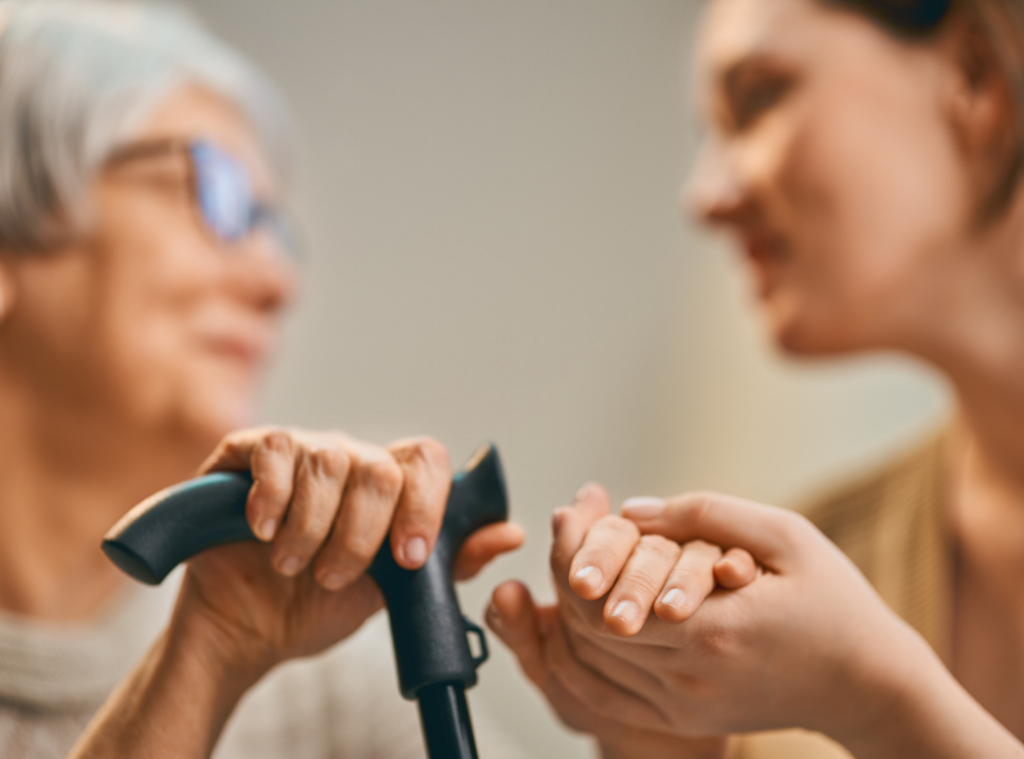
What Does Personal Care Include?
Personal care includes hands-on help and daily support based on the older adult’s abilities, routines, and preferences. National Institute on Aging guidance on personal care describes it as help with activities of daily living, including bathing, dressing, grooming, using the toilet, eating, and moving around.
Common Personal Care Examples
Common examples may include:
- Bathing, grooming, and personal hygiene
- Dressing and toileting assistance
- Mobility and movement support
- Medication assistance
- Help maintain familiar daily routines
Personal care may also work alongside household services that make everyday life more manageable. At Serenity Gardens, relevant services include dining, laundry, housekeeping, and on-site transportation.
These forms of support are not identical for every resident. The most useful assistance is based on what the person can do independently, where help is needed, and which routines are important to preserve.
You can learn more about available support through the Personal Care and Memory Care options at Serenity Gardens.
What Does Personal Care Mean in a Senior Living Community?
Personal care in a senior living community combines housing, assistance with daily routines, helpful services, and opportunities to remain socially engaged. It can offer a more supportive setting for someone who finds parts of living alone increasingly difficult.
Daily assistance and community activities meet different needs. Support may involve medication assistance, dining, housekeeping, laundry, and transportation, while residents may also have opportunities to take part in art classes, fitness classes, game nights, movie screenings, religious services, and outings around Kulpmont.
Receiving personal care does not mean losing all independence. A resident may still make daily choices, manage parts of a routine, and participate according to their abilities.
The community amenities and services can help you understand how daily support and lifestyle opportunities may work together.
Why Is Personal Care Important for an Older Adult?
Personal care is important because everyday activities affect comfort, confidence, dignity, and the ability to participate in daily life. Tasks such as bathing, dressing, moving safely, or following a medication routine may become stressful when a person tries to manage them without enough support.
Help with these tasks can make the day feel more predictable and manageable. It may also give families a clearer understanding of how an older adult’s daily needs are being addressed.
Mobility deserves particular attention. The Centers for Disease Control and Prevention reports that more than 14 million older adults, or about 1 in 4, report falling each year. This does not mean every older adult needs personal care, but changes in balance or movement can be a useful reason to review how safely daily tasks are being managed. The CDC’s older adult falls data provides additional context.
Supporting Independence Without Taking Over
Personal care supports independence by providing help where it is needed while allowing the older adult to remain involved in daily choices and routines.
A respectful approach may include offering clothing choices, allowing enough time to complete part of a task, or asking how the person prefers assistance to be given. Someone may need help with one routine while managing another independently.
Maintaining Familiarity and Routine
Familiar routines can help an older adult feel more comfortable and involved in the day. Preferences around waking, dressing, meals, activities, and personal hygiene are part of the person’s identity and should not be treated as minor details.
As needs change, routines can be adjusted while preserving the choices and habits that continue to matter to the resident.

How Should a Care Assistant Provide Personal Care Respectfully?
A care assistant should provide only the help that is needed while respecting the older adult’s privacy, preferences, abilities, and personal boundaries. Respectful personal care depends as much on communication and choice as it does on completing the task.
A Simple Respectful-Care Framework
Five simple practices can help keep personal care respectful:
- Ask: Explain the task and ask before providing assistance.
- Listen: Pay attention to preferences, concerns, and signs of discomfort.
- Protect privacy: Maintain physical and personal privacy throughout the task.
- Encourage participation: Allow the person to complete the parts they can manage.
- Adapt support: Adjust the approach as needs, abilities, or comfort levels change.
Personal care tasks may be routine for a care assistant, but they remain highly personal for the person receiving help. Moving too quickly, making choices without asking, or discussing private needs where others can hear, may leave the person feeling overlooked.
What Guidelines Help Protect Dignity During Personal Care?
Dignity-centered personal care means providing necessary assistance without removing the older adult’s privacy, voice, preferences, or involvement. Dignity should shape every part of the interaction, not be treated as a separate step.
Helpful guidelines include asking before touching the person or moving personal belongings, explaining assistance before beginning, and offering choices whenever possible. Personal information should be discussed privately, and physical privacy should be protected throughout bathing, dressing, toileting, and grooming.
Tone also matters. Calm, respectful language can help the person feel heard and included. Speaking about the person as though they are not present can weaken trust, even when the conversation concerns their care.
Support should also reflect established routines and comfort levels. A method that works well for one person may feel unfamiliar or intrusive to another.
How Can You Tell When Personal Care May Be Helpful?
Personal care may be helpful when everyday routines are becoming difficult, inconsistent, or stressful for an older adult. A single challenge may not determine the answer, but patterns across several parts of daily life can signal that it is time to explore additional support.
You may begin to notice that:
- Bathing, dressing, or grooming takes much longer
- Mobility changes make personal tasks harder
- Medication routines are difficult to manage
- Household responsibilities feel overwhelming
- Memory changes are disrupting familiar routines
Family support may also become harder to maintain consistently. A relative may be able to help occasionally but struggle to cover daily needs, transportation, household tasks, and personal assistance over time.
Questions to Discuss as a Family
Start by identifying which tasks have changed and how often help is needed. Ask what the older adult can still complete comfortably, which routines matter most, and where frustration or uncertainty tends to occur.
It also helps to discuss whether memory changes are affecting daily decisions, medication routines, personal hygiene, or awareness of safety. These changes can help your family decide which type of support to discuss.
The Serenity Gardens Care Assessment can help you organize current needs and prepare for a more focused conversation about possible next steps.
Personal Care and Memory Care: What Is the Difference?
Personal Care supports older adults who need help with daily activities, while Memory Care supports people whose memory-related needs affect everyday routines. The right option depends on the individual’s current abilities, challenges, and need for assistance.
| Consideration | Personal Care | Memory Care |
| Primary focus | Assistance with daily activities and routines | Daily support for a person living with memory-related needs |
| Daily assistance | May include hygiene, dressing, mobility, medication assistance, and routine support | The appropriate assistance depends on how memory changes affect routines |
| May be considered when | Regular help is needed with personal or household routines | Memory-related changes create a need for additional daily support |
| Questions to ask | Which tasks require help, and how often? | How are memory changes affecting routines and daily assistance? |
A person’s needs cannot always be understood through a service label alone. Look at how the person manages personal hygiene, movement, communication, medication, household tasks, and familiar routines.
The Alzheimer’s Association explains that a person living with dementia may eventually need assistance with daily living and that routines and activities can be adjusted as needs change. Its daily care guidance can help families understand why memory changes may require a different approach to everyday support.
The specific features and support available through Memory Care should be discussed directly with the Serenity Gardens team. For a closer look at common senior living terms, read Personal Care vs. Assisted Living Choices for Families.
How Is a Personal Care Plan Adapted to the Individual?
A personal care plan should reflect the older adult’s current needs, daily routines, preferences, and level of independence. It should clarify which tasks require assistance, how often help is needed, and which parts of the day the person can still manage comfortably.
Mobility, medication assistance, communication preferences, and memory-related changes may also shape the plan. Preferences around bathing, clothing, meals, religious services, activities, and social time can affect how familiar and comfortable daily life feels.
Needs may change over time. Families can continue asking what is working, which tasks have become harder, and whether the current level of help still feels appropriate.
Life beyond personal tasks also matters. Depending on a resident’s interests, approved Serenity Gardens amenities include art and fitness classes, activity rooms, game nights, movie screenings, religious services, dining, social spaces, and outings to local Kulpmont attractions.
What Should You Consider When Comparing Personal Care Options?
The best personal care option should match the person’s daily needs, preferences, lifestyle, and possible future support needs. A polished setting or long list of amenities cannot replace a clear understanding of how assistance is provided.
During your comparison, ask how the community learns about personal routines and how residents remain involved in choices. Discuss which services are available, how daily needs are reviewed, and whether both Personal Care and Memory Care are offered if circumstances change.
Location can also affect the decision. A community that is accessible to family may make visits, conversations, and continued involvement easier. Daily lifestyle preferences matter too, including dining, social activities, religious services, fitness, transportation, and opportunities to spend time with others.
Serenity Gardens lists starting prices of $4,000 for Personal Care and $5,100 for Memory Care. Pricing should be reviewed alongside the services, living arrangements, support, and amenities that are relevant to the individual.
The Floor Plans and Pricing information can help you explore available options. You can also use the Cost Comparison to organize practical considerations as you compare senior living with the person’s current arrangement.
Find Personal Care Support That Respects Daily Life
Personal care should make daily life feel more manageable while preserving the older adult’s dignity, preferences, and involvement. The right support depends on which tasks have become difficult, how often assistance is needed, and whether mobility or memory changes are affecting established routines.
Serenity Gardens offers Personal Care and Memory Care at 35 Vermont Dr. in Kulpmont, PA, along with relevant services and amenities such as medication assistance, dining, housekeeping, laundry, transportation, rehabilitation services, activities, and social spaces. Schedule a Tour to explore the community and discuss the daily support you are considering. For a question before your visit, Contact Us or Call Us at 570-373-3000.
Frequently Asked Questions
What are common examples of personal care for older adults?
Common examples of personal care include help with bathing, dressing, grooming, toileting, mobility, and medication routines. An older adult may need support with only one task or with several parts of the day. The level of assistance should reflect what the person can still do independently. Personal care should protect comfort and dignity while helping daily routines feel more manageable.
What does personal care include in a care home?
Personal care in a care home includes assistance with daily activities within a residential community. It may involve personal hygiene, dressing, mobility, medication assistance, meals, laundry, housekeeping, or transportation. Residents may also have access to social activities and shared spaces. The exact combination of support depends on the community and the resident’s individual needs.
How does a care assistant provide personal care respectfully?
A care assistant provides personal care respectfully by asking permission, explaining each task, and listening to the person’s preferences. Privacy should be protected during bathing, dressing, grooming, and toileting. The older adult should be encouraged to complete any parts of the task they can manage. Assistance should be adjusted as the person’s needs, abilities, or comfort levels change.
What guidelines help protect dignity during personal care?
Guidelines that protect dignity include offering choices, maintaining privacy, using respectful language, and asking before providing help. Personal needs should be discussed discreetly and never treated as an inconvenience. The person should remain involved in decisions about routines and assistance. Respecting established preferences can make personal care feel safer and more comfortable.
Why is personal care important for an older adult’s daily well-being?
Personal care is important because daily activities can affect comfort, confidence, routine, and independence. Appropriate support can reduce the strain of managing difficult tasks without enough help. It can also allow the older adult to remain involved in personal choices and familiar activities. Families gain a clearer understanding of how everyday needs are being supported.
I can’t say enough about Serenity, their caring staff and residents! For three years my father called Serenity “home” and has made many lifelong friends! It was during the last few months that I realized just how much the administrators and caregivers go out of their way for their patients! Thank God for Serenity Gardens!!
Dianne Wrobel